Vitamin supplements are a common part of many women’s daily routines. From multivitamins to single-nutrient capsules, these products are often taken with the goal of boosting energy, supporting immunity, or filling nutritional gaps. A clear, informed approach helps women decide when supplements make sense and when other strategies may be more effective.
The Point of Supplements
Vitamin supplements are widely used because modern life does not always support consistent nutrition. Busy schedules, dietary restrictions, pregnancy, menopause, and chronic health conditions can all affect nutrient intake and absorption. In some cases, healthcare providers recommend supplements after identifying a deficiency through blood tests or medical history. In these situations, supplements serve a specific medical purpose rather than acting as a general wellness solution.
How Supplements Are Regulated
Dietary supplements are regulated differently than prescription medications in the United States. They are not required to undergo premarket approval for safety or effectiveness. Instead, manufacturers are responsible for ensuring their products meet labeling and quality standards. Oversight typically happens after products are already available to consumers.
Because of this structure, product quality can vary. Independent testing helps bridge that gap. Third-party organizations and analytical laboratories test supplements for accuracy, contamination, and ingredient consistency. Products that undergo this type of verification offer added confidence that what is listed on the label matches what is inside the bottle.
Potential Benefits When Used Correctly
Supplements can provide real benefits when they address a specific need. Iron supplements may help women with anemia, folic acid supports healthy pregnancies, and vitamin D contributes to bone health, especially as women age. In these cases, supplementation is targeted and often temporary, guided by medical advice.
However, supplements work best as part of a broader health strategy. Whole foods deliver nutrients alongside fiber and other compounds that support digestion and overall wellness. Supplements cannot fully replace the benefits of a balanced diet rich in fruits, vegetables, proteins, and whole grains.
Risks of Excess and Misuse
One of the most common safety concerns is taking more than necessary. Fat-soluble vitamins such as A, D, E, and K remain in the body longer and can build up to harmful levels. Excess intake may lead to symptoms ranging from digestive discomfort to more serious health issues.
Minerals can also pose risks. Too much calcium may interfere with iron absorption, while excess iron can be dangerous for women without a diagnosed deficiency. Supplements may also interact with medications, including hormonal treatments, thyroid medications, and blood pressure drugs. These interactions can reduce effectiveness or increase side effects.
Life Stage and Individual Factors
Nutritional needs change throughout a woman’s life. Pregnancy, breastfeeding, menopause, and aging all bring shifts in how the body uses nutrients. Lifestyle factors such as athletic training, vegetarian diets, or digestive disorders can further influence needs.
Because of these differences, supplements that benefit one person may not be appropriate for another. Routine health screenings and open conversations with healthcare providers help ensure supplementation decisions are based on real needs rather than assumptions.
Making Informed Supplement Choices
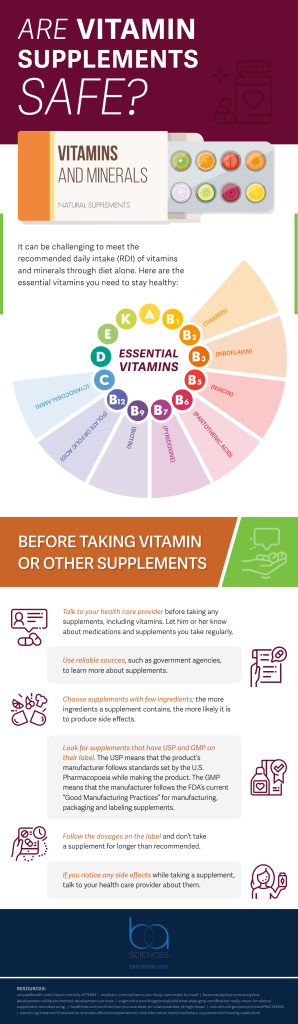
Smart supplement use starts with reading labels carefully. Understanding serving sizes, daily values, and ingredient lists helps prevent accidental overuse. Products that clearly list dosages and avoid unnecessary fillers are often easier to evaluate.
Professional guidance remains one of the most important safeguards. Doctors, pharmacists, and registered dietitians can help interpret test results, identify deficiencies, and recommend appropriate products or dietary changes.
Vitamin supplements are neither inherently good nor bad. Their safety depends on quality, dosage, and individual health factors. When used with reliable information, supplements can support women’s health goals without unnecessary risk. Look over the infographic below to learn more.