When you are considering laser hair removal, the most useful starting point is a conversation about your routine. Which area would you like to address? What do you hope will become easier? How much time can you set aside for appointments? Those questions turn a broad wish for smoother skin into something you can discuss with a provider.
I am Sarah Hitchcox, a registered nurse and the founder of a medical aesthetics practice in West Knoxville. My nursing background includes emergency department care, and my approach to aesthetics emphasizes individual goals and a trusting relationship. Here is a practical way to organize a first consultation without feeling that you need to know every treatment term before you arrive.
Start with the area you want to discuss
Be specific about what brought you to the appointment. You might want to talk about your underarms, a facial area or your legs. Write down the area in your own words, along with what you would like to change about your current routine. You can ask the provider to explain how that area is classified for treatment and pricing.
If you are considering several areas, put them in order of priority. That gives the conversation a clear starting point. It also lets you compare a plan for your first priority with a broader plan before deciding what fits your calendar and budget.
Ask about a series, not just the first visit
The laser hair removal information from Sarah Hitchcox Aesthetics describes a series of sessions and explains that fine hair may return, generally lighter and sparser. That distinction matters when you are deciding what you expect from the process. Ask what hair reduction could mean for your own situation and how the provider will review progress.
Bring your calendar to the conversation. Ask about the proposed interval between visits, how future appointments are arranged and what happens if your availability changes. A plan is easier to evaluate when you can see the whole sequence rather than concentrating only on the opening appointment.
Make the price understandable
A treatment menu can include packages, different area sizes and separate touch-up prices. Ask for the total for the exact area you want treated, what is included in that total and whether later visits carry a separate charge. If a package is offered, confirm the number of sessions it contains.
Keep the explanation somewhere you can find it again. A short written outline can help you compare the proposed schedule with other commitments. You can also ask whom to contact if a pricing or booking question comes up after the consultation.
Leave room for your own questions
You do not need a polished presentation. A few notes on your phone are enough: what you hope to change, what you want to understand and anything that concerns you about the appointment. Ask the provider to explain the treatment process, comfort measures and the instructions that apply before and after your visit.
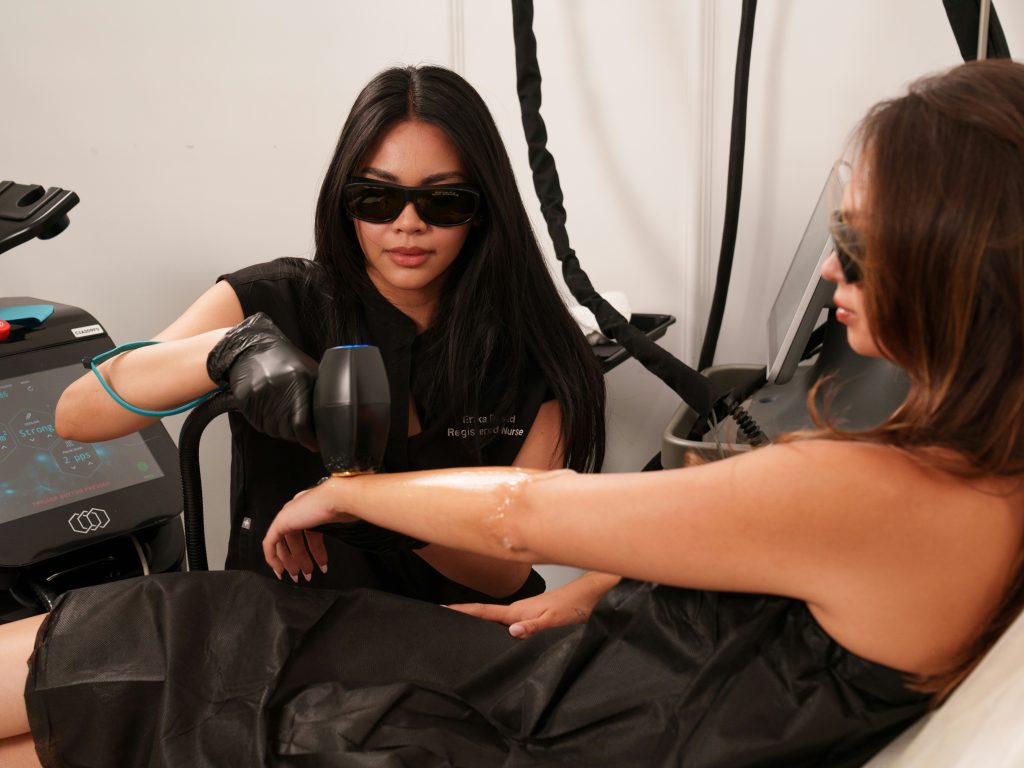
The practice’s published laser information describes a cooling system and compares the sensation to warmth or a light snap. Your consultation is the place to ask what that description means for your proposed treatment. Keep asking until the explanation makes sense to you, rather than assuming that someone else’s experience predicts yours.
If you also have questions about injectables, Botox Knox Med Spa publishes information about those services. Keep those questions separate from your laser hair removal plan so the purpose, price and scheduling of each appointment are clear.
Confirm where you are going
Our practice has offices in Bearden, Farragut, West Hills and Cedar Bluff. When arranging care, confirm the office and service for the appointment you are booking. Save the address, suite and office contact alongside the date so they are easy to find.
A useful first consultation gives you a clearer understanding of your options, likely scheduling and costs. You can leave with your questions answered and decide how that information fits your life. The goal of preparation is simply to make the conversation more useful to you.