
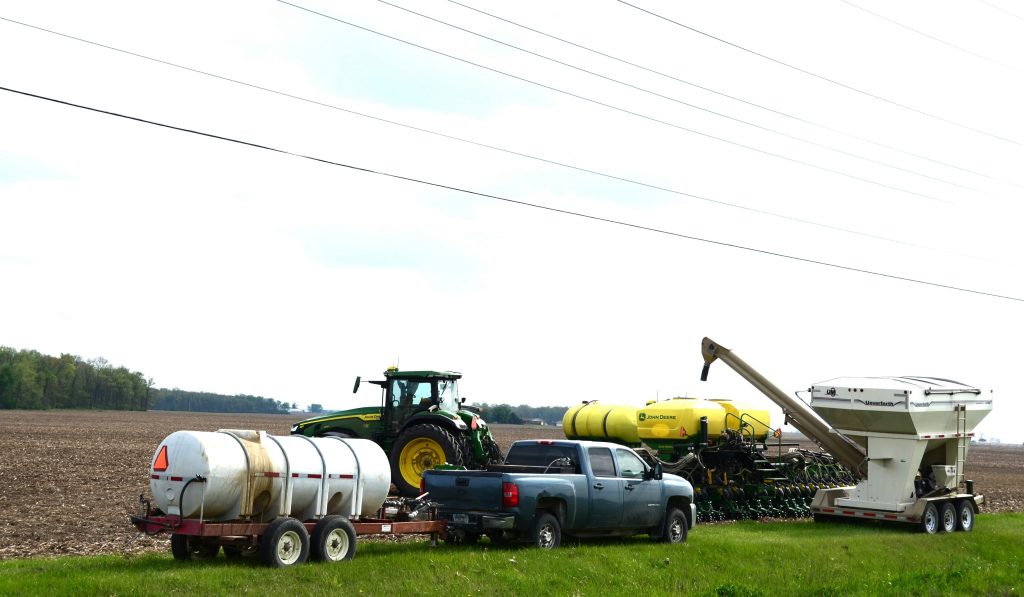
Choosing between an in-bed transfer tank and a trailer-mounted transfer tank is a decision that carries real consequences for your workflow, your truck, and your bottom line. Both systems exist to solve the same core problem: getting fuel exactly where you need it, without a trip to the pump. But the way each system solves that problem is fundamentally different. Your operation’s size, your typical job site, and how often you move equipment all shape which option makes the most sense. This guide breaks down the key differences so you can make a confident, informed choice.
What Sets These Two Systems Apart
At their core, in-bed transfer tanks sit directly in the bed of your pickup truck, secured to the truck’s frame or bed rails. They use your truck as the transport vehicle, which keeps your overall footprint small and your setup simple. Trailer-mounted systems, by contrast, are self-contained fuel units mounted on a dedicated trailer that you hitch and tow separately.
This distinction matters more than it might first appear. With an in-bed tank, your truck does double duty. It hauls the fuel and serves as your work vehicle at the same time. A trailer-mounted system gives you far greater fuel capacity and operational flexibility, but it also demands that you manage an additional piece of equipment on every job.
If you ever need to refuel your generator with fuel tanks on remote job sites, the in-bed option often delivers faster access with fewer logistical steps. Trailer systems, on the other hand, tend to suit larger operations where high-volume fueling is a regular need. Understanding this core difference is the right starting point before you evaluate any other factor.
Capacity and Fuel Volume Considerations
Capacity is often where the two systems diverge most sharply. In-bed transfer tanks typically range from around 50 gallons up to roughly 100 gallons, depending on the size of your truck bed and the weight your vehicle is rated to carry. That range works well for smaller operations, individual tradespeople, or anyone who needs a convenient on-the-go fuel source without hauling a trailer.
Trailer-mounted systems start where in-bed tanks leave off. Many trailer tanks hold between 200 and 1,000 gallons or more, which makes them the preferred choice for farms, large construction crews, or any operation where multiple machines need fuel on a regular schedule. The volume difference is not marginal: it is substantial.
But, greater capacity does not automatically mean better value for your situation. If you only need to top off a skid steer or a small generator once or twice a day, a 500-gallon trailer tank is more equipment than you actually need. Conversely, if your crew runs multiple pieces of heavy equipment across a wide area, an in-bed tank will leave you running back to the pump far too often. Match the capacity to your actual daily fuel demand, not to a hypothetical worst-case scenario.
Mobility, Accessibility, and Ease of Use
How In-Bed Tanks Handle Everyday Fueling
In-bed transfer tanks have a clear advantage in day-to-day convenience. Because the tank travels with your truck at all times, you do not need to hook up a trailer before heading to a job site. You simply drive there, connect your hose or pump, and deliver fuel in minutes. For solo operators or small teams, that simplicity translates directly into saved time across an entire workweek.
In tight job sites, such as urban construction zones or properties with narrow access roads, an in-bed tank lets you maneuver with the agility of a standard pickup. There is no trailer to navigate around parked equipment or back into a confined space. The tank stays out of the way until you need it, and the whole operation stays streamlined.
Plus, maintenance on in-bed tanks is generally straightforward. Most models feature external pumps, easy-access nozzles, and lockable compartments that protect both the fuel and the equipment from unauthorized use or weather exposure.
Where Trailer-Mounted Systems Have the Edge
Trailer-mounted systems earn their place in operations where volume and versatility take priority. Because the trailer is a dedicated fuel transport unit, you can load it, position it at a central point on a large job site, and let multiple workers or multiple machines draw from it throughout the day. That centralized approach reduces the number of trips required and keeps your truck free for other tasks.
Another advantage is that trailer tanks are not limited by the payload capacity of your pickup. Your truck’s bed has a weight ceiling, and a fully loaded in-bed fuel tank can push you close to or past that limit, depending on your vehicle. A trailer distributes weight across its own axles, so you preserve your truck’s payload for tools, materials, or equipment.
Trailer systems also tend to offer more pump options, including higher-flow meters, multiple dispensing points, and filtration systems suited to different fuel types. If your operation uses both diesel and gasoline, or diesel and DEF, a trailer setup can accommodate compartmentalized storage in a way that an in-bed tank simply cannot.
Legal Requirements, Weight Limits, and Safety Compliance
Both systems come with regulatory obligations that you need to understand before you purchase or operate either one. In the United States, the Department of Transportation sets rules around the transport of flammable liquids, and those rules apply differently depending on the tank’s capacity, the type of fuel, and how the system is mounted.
For in-bed tanks, the primary concern is your truck’s Gross Vehicle Weight Rating. A full tank of diesel adds significant weight, and exceeding your GVWR is a safety and legal violation. You also need to verify that the tank itself carries proper DOT certification for fuel transport, since not all poly or steel tanks meet those standards.
Trailer-mounted systems face their own set of requirements. Depending on capacity, you may need specific placards, hazmat endorsements on your commercial driver’s license, or secondary containment features. Some states impose additional regulations on top of federal minimums, so it is worth checking with your state’s transportation authority before you put a high-capacity trailer on the road.
On the safety side, both system types should include proper bonding and grounding connections to prevent static discharge during fueling. Automatic shut-off nozzles, pressure-relief vents, and lockable caps are standard safety features you should confirm are present on any system you consider. Compliance is not optional, and the costs of operating out of spec far outweigh the upfront investment in getting it right.
Conclusion
Neither system is universally better. In-bed transfer tanks offer convenience, low profile, and ease of use for smaller operations. Trailer-mounted systems deliver volume, versatility, and the ability to serve larger crews. Your best move is to assess your daily fuel demand, your truck’s payload rating, your typical job site access, and your compliance obligations. Match the system to those specifics, and you will have a setup that works efficiently for years to come.