
Blood sugar and hormones form one of the body’s most important partnerships. Although they are often discussed separately, they constantly influence each other in ways that shape mood, energy, appetite, sleep, and long-term health. For many women, symptoms that feel random or unpredictable often trace back to this connection. A closer look at how these systems interact offers clearer guidance for supporting daily well-being.
How Blood Sugar Shapes Hormonal Signals
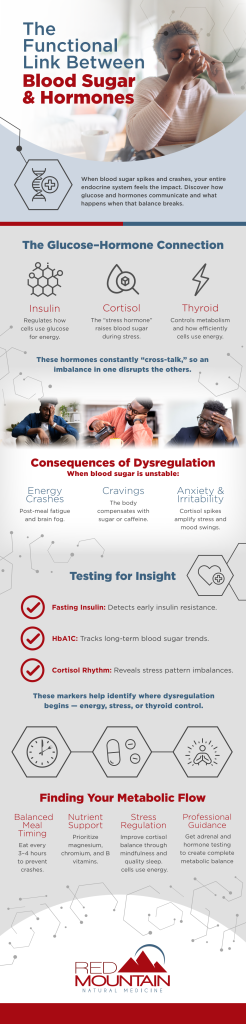
When blood sugar rises after eating, the pancreas releases insulin to help move glucose into cells. If blood sugar stays elevated frequently, the body must work harder to maintain balance. Repeated spikes force the endocrine system into overdrive, and the stress hormone cortisol often steps in to stabilize the situation. Elevated cortisol can interfere with reproductive hormones, shift appetite patterns, and make sleep more difficult.
Over time, this cycle affects estrogen and progesterone. These hormones rely on stable metabolic signals to regulate the menstrual cycle, body temperature, and emotional steadiness. When blood sugar fluctuates sharply, the body may divert resources to managing stress instead of supporting reproductive balance. This shift can lead to irregular cycles, increased cravings, irritability, or changes in energy throughout the day.
How Hormones Influence Blood Sugar Response
The relationship between hormones and blood sugar moves in both directions. Estrogen improves insulin sensitivity, meaning cells respond more efficiently to insulin’s message to absorb glucose. This is one reason many women notice shifts in energy or appetite across their cycles. During phases when estrogen is higher, blood sugar tends to remain steadier. As estrogen drops, the body may become more prone to glucose swings.
Progesterone plays a role as well. Although it supports many essential functions, it may contribute to higher appetite or slower digestion during certain parts of the cycle. Thyroid hormones, which regulate overall metabolism, determine how quickly or slowly the body processes energy. When thyroid function is lower, glucose may be used less efficiently, leading to sluggishness or difficulty maintaining a stable weight.
These changes highlight why two weeks can feel entirely different for many women. Hormonal rhythms influence how the body uses food, how quickly blood sugar rises, and how effectively it returns to steady levels.
Why Stability Supports Daily Health
Stable blood sugar supports consistent hormone production and smoother emotional patterns. Meals that combine protein, fiber, and healthy fats slow glucose absorption, preventing sharp rises followed by rapid drops. Regular mealtimes help avoid long gaps that may trigger cortisol spikes. Light physical movement, especially after meals, increases the body’s ability to use glucose effectively.
Women who track their cycles often recognize predictable patterns in cravings, motivation, and fatigue. When paired with awareness of blood sugar responses, these observations create a clearer picture of what the body needs during different phases. Small adjustments in eating habits or daily routines can significantly improve overall balance.
Supporting the Connection Through Whole Body Care
While lifestyle habits lay the groundwork, some women benefit from broader guidance. Approaches used in functional medicine look at the entire network of factors that influence hormonal and metabolic balance. This includes nutrition, sleep quality, stress load, gut health, physical activity, and environmental influences. Instead of addressing symptoms in isolation, this perspective examines how these systems interact.
Simple changes help stabilize both blood sugar and hormones. For women experiencing perimenopause, irregular cycles, or chronic fatigue, understanding this connection can offer better clarity and more effective strategies.
Blood sugar and hormones shape everyday experiences more than most women realize. When both systems receive consistent support, the result is steadier energy, clearer thinking, and improved long-term well-being. Check out the infographic below to learn more.