
Whiplash can turn an ordinary day into weeks of neck pain and stiffness. The injury occurs when the head moves suddenly backward and forward, often during a vehicle collision. Symptoms appear hours after the incident, making early attention important. Knowing how to respond can support recovery.
Recognize Symptoms Beyond Neck Pain
Neck soreness and limited movement are common, but whiplash can also cause headaches, shoulder pain, dizziness, and fatigue. Some people notice difficulty concentrating.
Symptoms vary in intensity and may develop gradually. Seek medical evaluation after a collision if you develop neck pain or other concerning symptoms. Severe neck pain, weakness, numbness, trouble walking, or confusion requires urgent assessment.
Get Checked Before Resuming Activities
A clinician may examine your neck movement, muscle tenderness, reflexes, and nerve function. Imaging is not necessary for every case, although certain symptoms or injury circumstances may warrant further testing.
Explain exactly how the injury happened, including seat belt or helmet use. Motorcycle riders should seek evaluation after a crash. Whether riding a familiar bike or considering auction motorcycles for sale, properly fitted protective gear and cautious riding remain important.
Manage Pain Without Prolonged Rest
During the first few days, short periods of rest may help when symptoms flare. However, remaining inactive for too long can increase stiffness and delay a return to normal movement.
Your clinician may recommend gentle neck exercises, heat or cold packs, and appropriate pain medication. Avoid forcing painful stretches or using a neck collar unless specifically advised. Follow individualized guidance.
Make Everyday Tasks Easier
Desk work, driving, and household chores can aggravate a sore neck. Position screens at eye level, take regular movement breaks, and avoid carrying heavy bags on one shoulder.
Sleep with a pillow that keeps your neck comfortably supported. If turning your head is difficult, avoid driving until you can check mirrors and blind spots safely. Ask for temporary help with lifting or physically demanding tasks when needed.
Know When Recovery Needs Another Look
Many people improve within several weeks, although some experience symptoms for longer. Persistent pain, worsening headaches, or new neurological symptoms deserve reassessment.
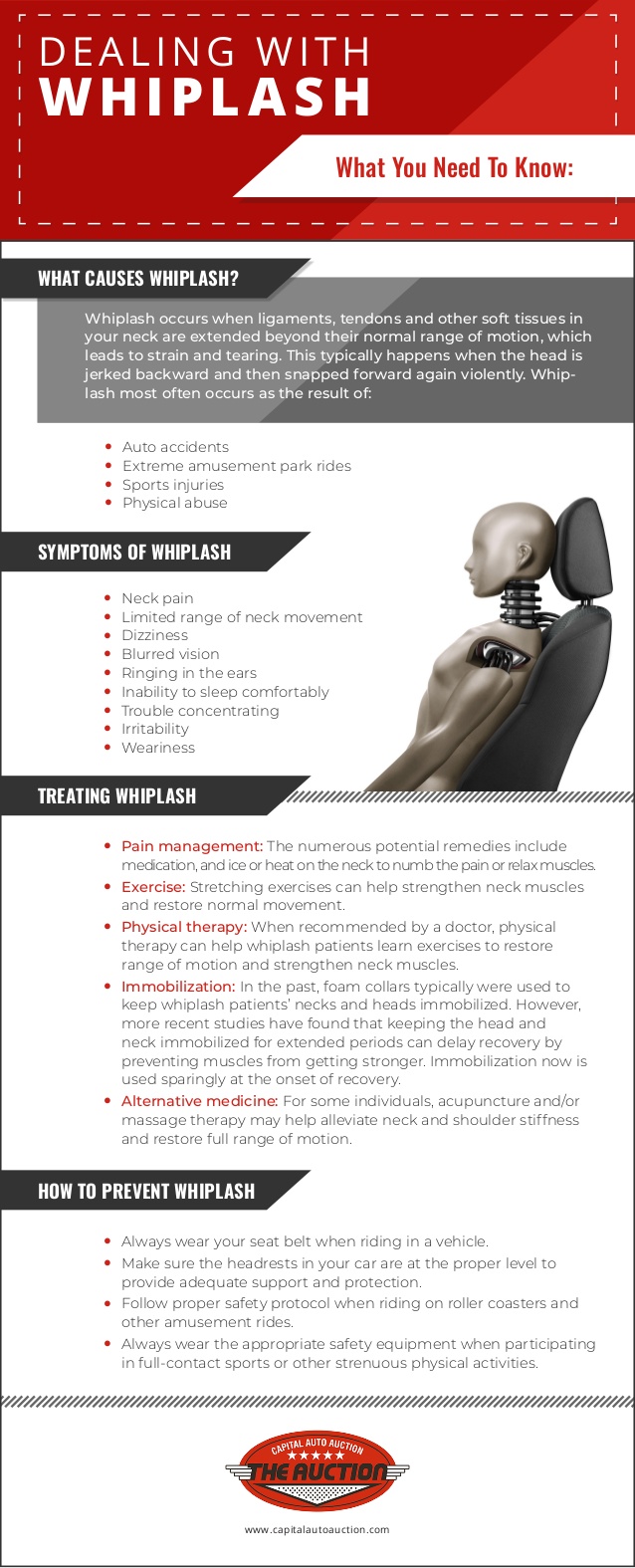
Keep track of symptoms and their effect on daily activities. A simple symptom diary can make later medical appointments more productive. Whiplash recovery often involves gradual movement, sensible adjustments, and follow-up care when progress stalls. Taking symptoms seriously early can help you return to your usual routine safely. Check out the infographic below to learn more.
Infographic Embed Code: