
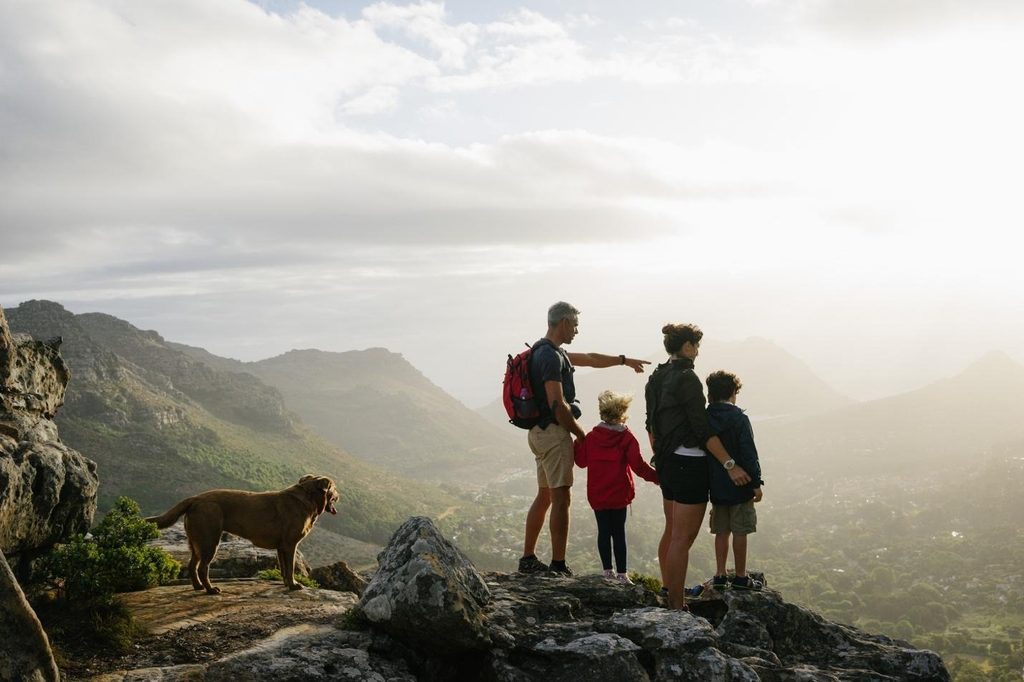
Adventure travel can bring grandparents, parents, teenagers, and younger children together in ways a traditional vacation may not. The challenge is that a seven-year-old, a 40-year-old, and a 70-year-old rarely have identical ideas about a manageable day. Successful multigenerational trips account for differences while still creating experiences the family can share.
Plan Around Ability, Not Age
Age alone says little about what someone can comfortably do. An active grandparent may be ready for a long hike while a teenager struggles with heat or altitude. Ask each traveler about walking distance, stairs, swimming ability, motion sickness, dietary needs, and other practical concerns.
Look closely at activity descriptions too. A “moderate” hike could involve steep terrain, uneven surfaces, or several hours without shade. Tour operators can often provide more useful details about elevation gain, trail conditions, and physical requirements.
Build Choices Into the Itinerary
Keeping everyone together from breakfast through dinner can make an adventure vacation exhausting. Instead, create opportunities to split into smaller groups.
Some relatives might kayak in the morning while others take a wildlife walk or explore a nearby town. Everyone can meet again for lunch or an afternoon activity. This approach allows more active travelers to take on bigger challenges without forcing every family member to participate.
Flexible arrangements can be especially useful in destinations where excursions are central to the experience. Options such as Galapagos private charters, for example, may give a family greater control over scheduling and daily activities.
Leave Space Between Big Experiences
A packed itinerary looks efficient on paper. In practice, it can make the trip feel like a race. Alternate physically demanding days with lighter ones. A long hike might be followed by a scenic drive or leisurely wildlife excursion. Younger children may need downtime, while older adults may appreciate time to recover before the next major outing.
Choose Lodging With the Whole Family in Mind
Adventure does not have to continue after everyone returns to the hotel. Check walking distances, stairs, elevator access, room locations, and transportation before booking. Shared houses or connected rooms can make family time easier, but privacy still matters. Giving different generations their own sleeping spaces can make a long trip more comfortable.
Multigenerational adventure travel works best when togetherness is not treated as constant participation. A good itinerary gives relatives opportunities to explore as a family while allowing individuals to rest or choose activities that suit them. Check out the infographic below to learn more.