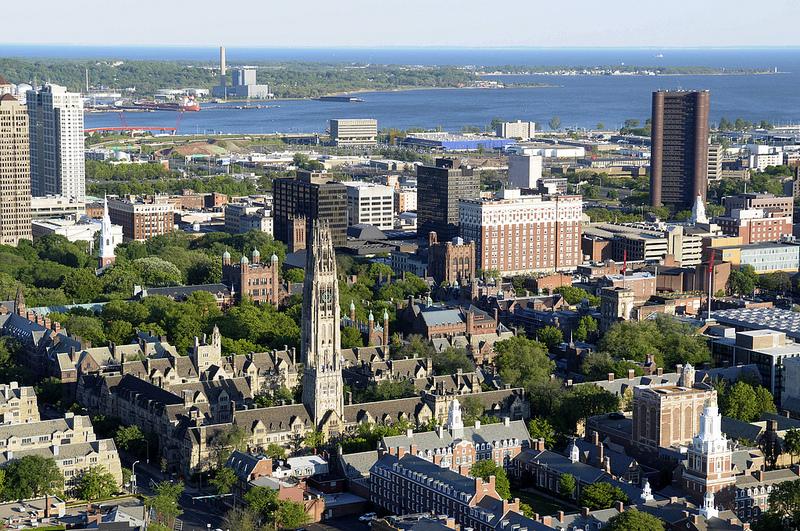
Trains tell stories about the countries they cross. In France and the UK, the network of rails isn’t just a means of transport — it’s a map of connection, culture, and continuity. Whether you’re gliding beneath the Channel or heading south toward the Mediterranean, these journeys offer something more than efficiency. They’re a reminder that in Europe, beauty often lives between stations.
Crossing the Channel: From London to Paris
The train from London to Paris remains one of Europe’s most iconic journeys. It’s a modern marvel that feels timeless — a smooth, unhurried glide from the heart of one capital to another.
You begin at St Pancras International, beneath its soaring Victorian arches. The air smells faintly of roasted coffee and fresh pastries from the platform cafés. As the Eurostar departs, London recedes — rows of brick terraces, iron bridges, then open countryside. The journey dips quietly beneath the Channel, and when daylight returns, so does a new rhythm.
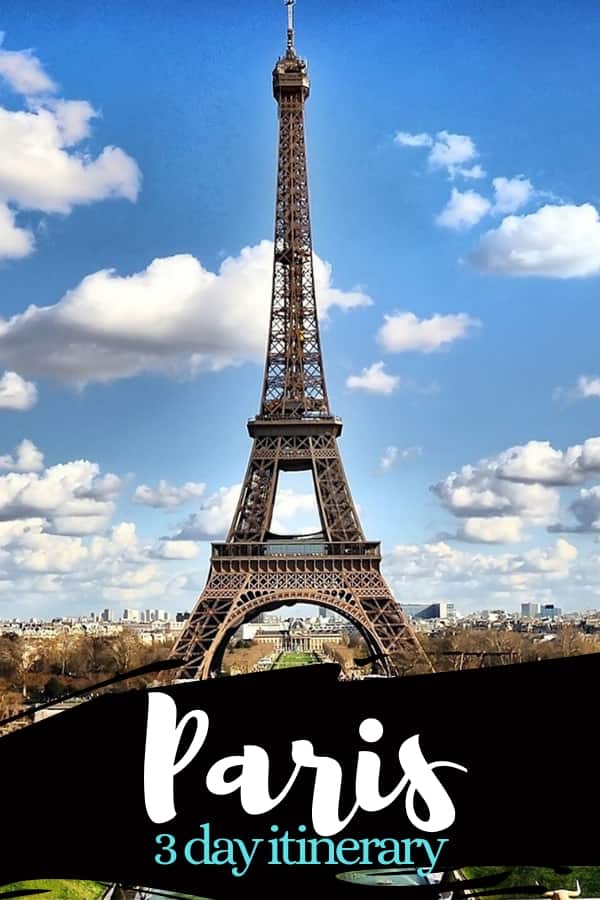
In just over two hours, you step into the world’s most romantic city. Paris feels instantly different: the light, the air, the architecture that glows softly even on cloudy days. Outside Gare du Nord, scooters hum past boulangeries, and the scent of butter and espresso drifts down the pavement. It’s seamless — a passage not only through space, but through mood.
Southward Through France: Paris to the Mediterranean
Where the Eurostar connects two capitals, the Paris to Marseille train reveals the full sweep of France’s landscape. Leaving the capital, the train slides through golden plains and vineyard-covered hills, its windows framing scenes that feel lifted from impressionist paintings.
By the time you reach Lyon, the terrain begins to shift — fields giving way to limestone cliffs and olive groves. The light grows warmer, softer. Soon, the scent of salt and herbs fills the air, and a sliver of blue appears on the horizon: the Mediterranean.
Marseille arrives with a rush of sunlight and sound. The station, perched high above the city, opens onto a view that seems to shimmer — terracotta rooftops tumbling toward a sea the colour of glass. Down by the Vieux-Port, fishing boats bob beside modern yachts, and the air carries traces of basil, sea spray, and wood smoke. It’s France at its most elemental: ancient, vibrant, alive.
The Rhythm of the Rails
There’s something deeply human about travelling by train. It offers the rare opportunity to slow down without standing still. You can sip coffee while watching the countryside roll by, read without distraction, or simply sit and think as the miles pass quietly beneath you.
On both sides of the Channel, trains have become part of the cultural fabric. In France, they symbolise elegance and efficiency — the way life here flows between pleasure and purpose. In the UK, rail travel holds a sense of tradition, a nostalgic nod to discovery and connection.
Each route feels like a thread linking stories — of merchants, dreamers, commuters, and wanderers — all sharing a brief moment of stillness between destinations.
A Journey Through Britain’s Changing Moods
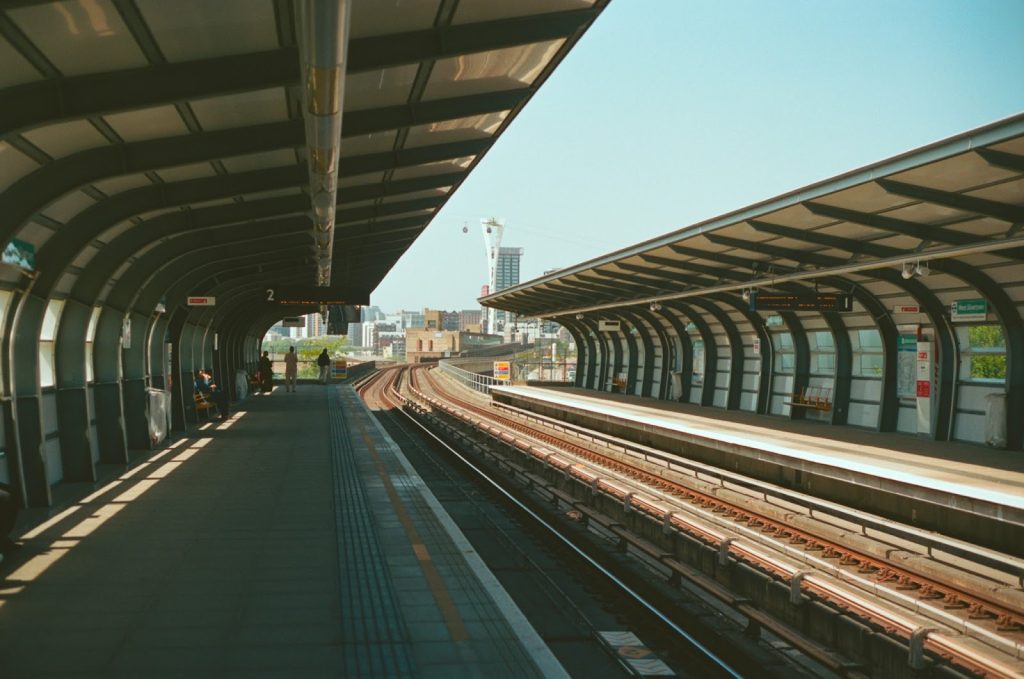
The UK, too, offers its share of cinematic rail journeys. From the wild coasts of Cornwall to the misted highlands of Scotland, each line seems to reveal a different mood of the island.
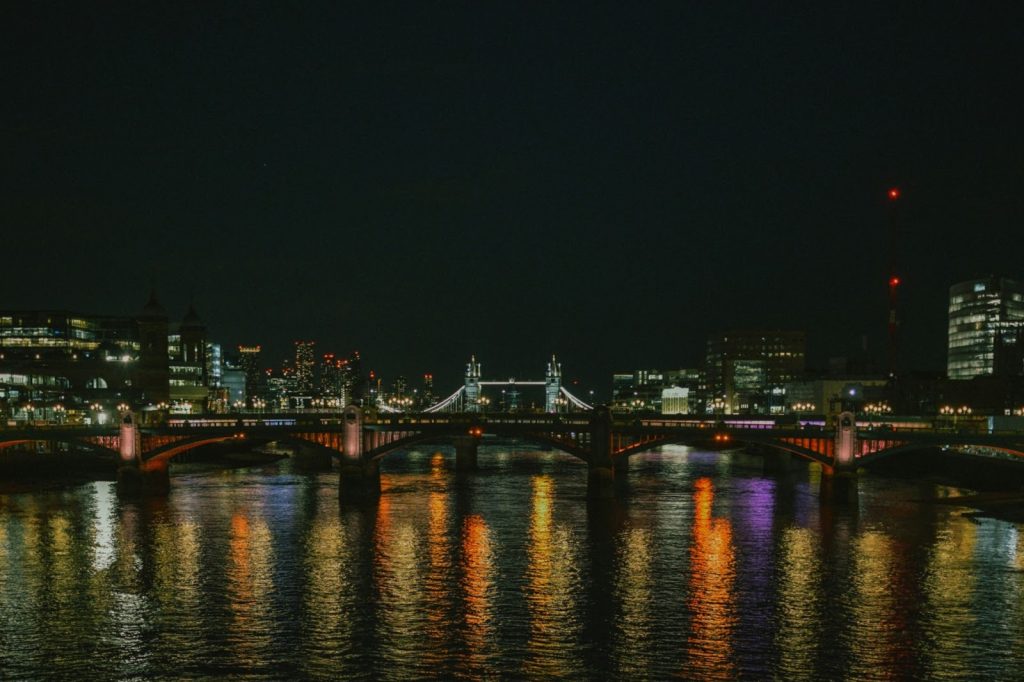
A ride from Edinburgh to London, for instance, traces centuries of history in a single afternoon. The train winds past stone viaducts, castles, and moors that stretch into mist. As you near London, the landscape softens — from the deep greens of the north to the muted golds of the Home Counties — until the skyline of the capital emerges, layered with cranes, domes, and glass.
Travelling Britain by rail feels grounded, intimate. It’s not about the grandeur of the destination, but the quiet continuity that ties them together.
Culture Along the Line
One of the joys of rail travel is how it draws you into places you might otherwise miss. The small towns between Paris and Marseille — Avignon, Nîmes, Aix-en-Provence — each offer their own rhythm. Avignon’s ancient walls glow pink at dusk; Nîmes hums with café chatter beneath Roman arches; Aix brims with markets that smell of lavender and cheese.
Across the Channel, the same holds true. Stop in York for its crooked lanes and warm pubs, or in Bath, where honey-coloured stone catches the afternoon light. These are the places where travel slows into experience — where a single cup of coffee or a chance conversation can anchor a memory more firmly than any postcard.
Sustainability in Motion
In an age increasingly conscious of sustainability, train travel carries a quiet dignity. It’s one of the most environmentally friendly ways to explore Europe, blending comfort with conscience.
Beyond the practical benefits — fewer emissions, no airport queues — there’s something almost poetic about moving through a landscape rather than over it. You feel the contours of the land, the weather shifting across regions, the subtle changes in light. It’s travel with texture, where the journey is as meaningful as the destination.
From Platform to Pavement
Arriving by train also changes how you meet a city. There’s no disorienting sprawl of terminals, no shuttle buses or taxi queues. You step out and find yourself in the centre of things — minutes from cafés, galleries, and local life.
In Marseille, that means descending the grand staircase into the pulse of the port. In London, it’s stepping into the hum of King’s Cross, where street musicians and commuters blur into the same rhythm. In Paris, it’s walking out into a city that seems perpetually in motion, yet somehow always unhurried.
Conclusion: Where Time Slows, Stories Begin
To travel between France and the UK by train is to rediscover what travel was meant to be: not a rush to arrive, but a passage through beauty. It’s in the details — the tilt of the sun across a field, the flicker of reflection on a carriage window, the hush that settles as the train glides into a station.
In the age of fast everything, the rails still whisper the oldest invitation of all — to look, to listen, and to move with meaning.