Travel can be exciting, though it also brings health and safety challenges that are easy to overlook. Changes in sleep, food, weather, transportation, and daily routines may affect energy levels and physical wellness during a trip. A few simple habits before and during travel may help reduce stress and support a safer experience on the go.
Pack Health Essentials Before Leaving
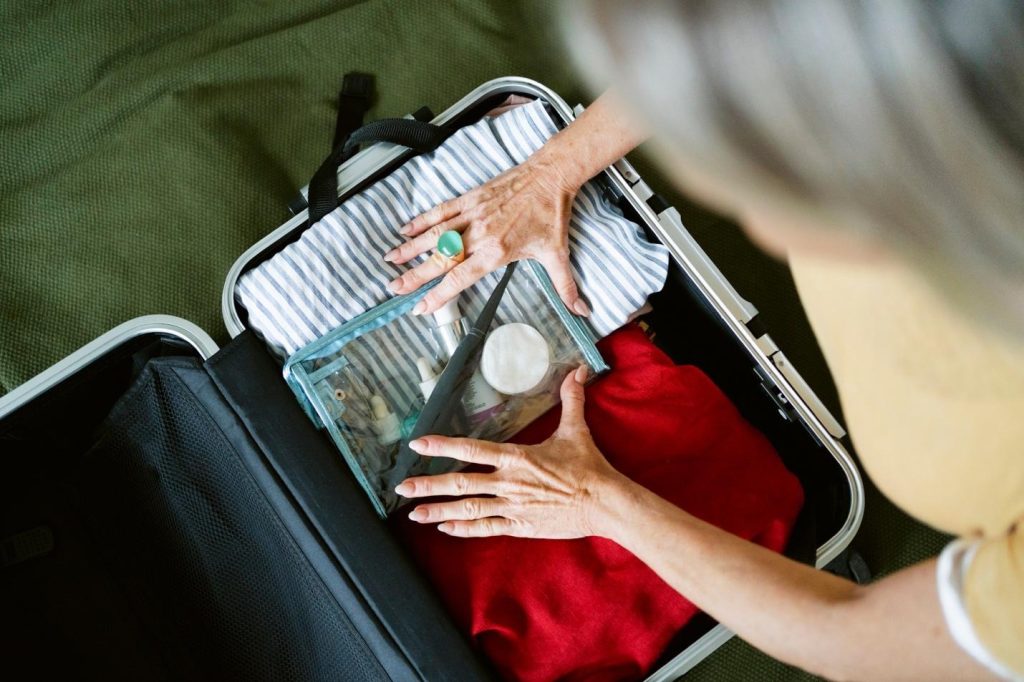
A well-prepared travel bag may prevent unnecessary problems later. Travelers should carry prescription medications, basic first aid supplies, pain relievers, allergy medicine, and extra personal care items in an easily accessible bag. Keeping medications in their original containers may also help avoid issues at airports or customs during travel.
Hand sanitizer, disinfecting wipes, tissues, and refillable water bottles are useful additions for flights, train rides, and crowded public spaces. Important health documents, insurance cards, and emergency contact information should remain easy to access throughout the trip.
Stay Hydrated During Travel
Long travel days often lead to dehydration without people realizing it. Air travel, hot weather, alcohol, and long walking periods may all reduce hydration levels quickly. Dehydration may contribute to headaches, fatigue, dizziness, and muscle cramps during trips.
Drinking water regularly throughout the day may help support energy and concentration while traveling. Travelers should also limit excessive caffeine and sugary drinks during long transit periods. Healthy snacks such as fruit, nuts, or protein bars may also help maintain steady energy levels between meals.
Protect Sleep and Daily Routines
Sleep disruption is common during travel. Changing time zones, unfamiliar hotel environments, and packed schedules may affect rest quality quickly. Poor sleep may weaken concentration, increase irritability, and reduce immune system function during trips.
Maintaining regular sleep routines as much as possible may help reduce travel fatigue. Short breaks during busy sightseeing days may also support better physical recovery. Travelers should avoid overscheduling activities without leaving time for rest and flexibility.
Pay Attention to Food and Water Safety
Trying local food is often one of the best parts of travel, though food safety still matters. Travelers should pay attention to food freshness, restaurant cleanliness, and water quality when visiting unfamiliar areas. Undercooked food or contaminated water may increase the risk of stomach illness during trips.
Eating balanced meals and washing hands regularly may also help reduce exposure to illness while traveling. People with food allergies or dietary restrictions should research local options before arriving at their destination.
Monitor Symptoms Early
Ignoring early signs of illness may make travel problems worse later. Fever, dehydration, chest pain, severe stomach issues, breathing problems, or unusual fatigue should be taken seriously during travel. Seeking medical help quickly may reduce complications and support faster recovery.
Some travelers research local clinics or urgent care for symptoms before leaving home so they know where to go if health concerns develop during the trip. Preparation often reduces stress during unexpected situations.
Stay Aware of Personal Safety
Health and safety are closely connected during travel. Travelers should remain aware of their surroundings, especially in crowded transportation hubs, nightlife districts, or unfamiliar neighborhoods. Keeping valuables secure and sharing travel plans with trusted contacts may also improve personal safety. Charging phones regularly and saving local emergency numbers in advance may help in unexpected situations.
Healthy travel habits often begin with preparation, awareness, and balanced routines. Hydration, sleep, food safety, personal security, and early attention to health symptoms all contribute to safer and more comfortable trips. Travelers who plan ahead and stay aware during their journeys are often better positioned to handle challenges while enjoying a healthier travel experience. For more information on staying safe while traveling, feel free to look over the accompanying infographic below.