
Hair extensions offer a quick way to add length and volume to natural hair. Three popular methods stand out: halo, clip-in, and tape-in extensions. Each type works differently and fits different needs.
Halo extensions rest on top of the head with a hidden wire, clip-ins attach to sections of hair with small clips, and tape-ins bond to natural hair with adhesive strips. All three methods can create beautiful results, but they differ in how long they last, how much damage they cause, and how easy they are to use. Some people prefer temporary options that they can remove each night, while others want extensions that stay in place for weeks.
The right choice depends on several factors. Hair type, lifestyle, budget, and desired results all play a role in which method works best. This guide breaks down the advantages and drawbacks of each extension type to help readers make an informed decision.
Comparing Hair Extension Methods: Halo, Clip-In, and Tape-In
Each extension type offers distinct advantages in how it attaches to natural hair, how long it lasts, and what kind of daily maintenance it requires. The differences between these methods affect comfort levels, styling options, and overall convenience.
Overview of Halo Hair Extensions
Halo extensions use a single weft of hair attached to a thin, transparent wire. The wire sits on top of the head like a headband, and natural hair covers it to blend with the extension. No clips, tape, or other attachments connect to the hair itself.
This method takes about one minute to apply. Users simply place the wire on their head and adjust it for comfort. The extension works best for people who want quick results without any experience in hair styling, and the learning curve is so short that most people get it right on their first try. Those researching entry-level options often come across Thathair affordable halo sets alongside other budget-friendly picks, which shows how accessible this method has become for everyday wear. The simplicity of the design also means there are no small parts to lose or mechanisms to break over time.
The wire design distributes weight evenly across the head. This creates less stress on specific sections of hair compared to other methods. However, very fine or thin hair may struggle to hide the wire completely.
Key Features of Clip-In Hair Extensions
Clip-in extensions consist of multiple wefts with small clips sewn along the top edge. The clips open and close to attach directly to roots near the scalp. Most sets include pieces of different widths to place at various sections around the head.
Application takes five to ten minutes once someone learns the technique. The process involves sectioning hair, snapping clips into place, and blending everything together. Users can add as many or as few pieces as they need for their desired look.
These extensions offer significant flexibility in styling. People can place wefts exactly where they want extra volume or length. The clips hold securely during activities like exercise or dancing.
Clip-ins last six months to a year with proper care. They require removal every night before bed. This nightly routine protects both the extensions and natural hair from damage caused by sleeping with them attached. The method suits people who want control over placement and don’t mind a slightly longer application process.
Key Features of Tape-In Hair Extensions
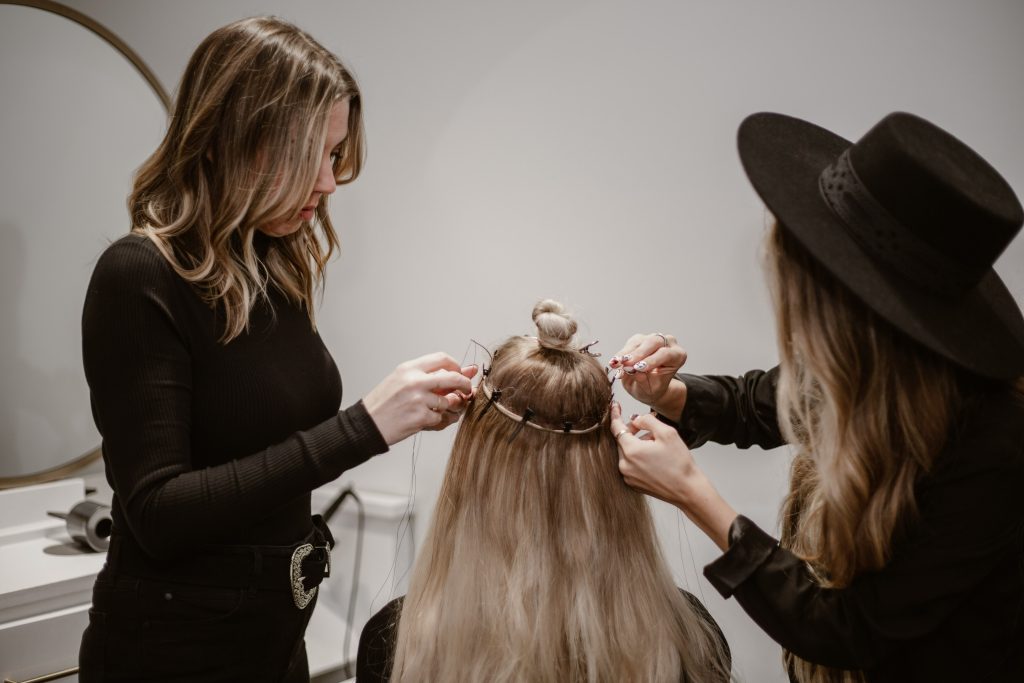
Tape-in extensions use pre-taped wefts that sandwich thin sections of natural hair between two pieces. A professional stylist typically applies these extensions because proper placement requires skill and precision. The adhesive bonds hold for six to eight weeks before needing adjustment.
This method creates a semi-permanent solution. The extensions stay in place through daily activities, including sleeping and showering. People don’t need to remove and reapply them each day like other temporary options.
Installation takes one to two hours at a salon. The stylist sections hair carefully and applies multiple tape-in pieces throughout the head. The flat design lies smooth against the scalp without creating bumps or visible lines.
Tape-ins require specific care products. Regular shampoos and conditioners with certain ingredients can break down the adhesive. Users must avoid oils near the roots where tape bonds exist. Professional removal prevents damage to natural hair, so salon visits become necessary every few weeks for maintenance and repositioning.
Pros and Cons of Halo, Clip-In, and Tape-In Extensions
Each extension method offers unique benefits and drawbacks that affect daily wear, hair health, and overall convenience. The right choice depends on lifestyle needs, budget, and how often someone plans to wear their extensions.
Advantages of Halo Extensions
Halo extensions use a single weft attached to an adjustable wire that sits on top of the head. This design makes them one of the easiest types to apply. Most people can put them on in less than a minute without any clips, tape, or tools.
The wire design causes zero damage to natural hair. There’s no tension, no adhesive, and no heat involved in the application process. This makes halos perfect for people with thin or fragile hair who want to avoid any stress on their strands.
Halos work well for occasional wear. Someone can put them on for special events or date nights and take them off before bed. They’re also comfortable to wear because the wire distributes weight evenly across the head rather than pulling on specific sections.
The price point tends to be reasonable compared to semi-permanent options. Since no professional installation is required, users save money on salon visits. The simplicity also means anyone can learn to use them quickly, even without prior experience with extensions.
Disadvantages of Halo Extensions
Halos don’t work well for all hairstyles. High ponytails and updos can expose the wire, which limits styling options. The wire may also be visible if someone has very fine or short hair that doesn’t provide enough coverage.
Active lifestyles can pose challenges with halo extensions. Intense workouts, swimming, or activities that involve a lot of movement may cause the wire to shift or become uncomfortable. Some users report the wire creates a subtle bump or ridge that shows through their hair.
The single weft design means less volume control compared to clip-ins. Users can’t customize where they add thickness because the hair sits in one continuous piece around the head. This can create an unnatural look if the natural hair is much thinner than the extension weft.
Halos typically need removal every night. Unlike tape-ins that stay in for weeks, halos require daily application and removal. This adds time to morning and evening routines, which may not suit everyone’s schedule.
Strengths of Clip-In Extensions
Clip-in extensions offer the most flexibility of all temporary options. Users can add multiple wefts to different areas of the head to create customized volume and length. This allows for better blending with natural hair texture and color variations.
The clips provide secure hold throughout the day. Unlike halos that might shift, properly placed clip-ins stay in position through most activities. This makes them suitable for longer wear periods, though most people still remove them before sleep.
Clip-ins come in various weft sizes and widths. Someone can use just a few small pieces for subtle volume or apply a full set for dramatic length. This versatility makes them popular for both everyday wear and special occasions.
The ability to remove them daily protects natural hair from constant tension. Users can take breaks between wears, which helps maintain hair health. Clip-ins also last a long time with proper care, often up to a year or more.
Limitations of Tape-In Extensions
Tape-in extensions require professional installation, which adds to the initial cost. A salon visit typically takes one to two hours, and the process must be repeated every six to eight weeks as natural hair grows. These maintenance appointments can become expensive over time.
The adhesive tapes need special care products. Regular shampoos and conditioners may break down the bonds, so users must purchase specific formulas. Oil-based products are off-limits because they weaken the tape’s hold.
Heat styling near the tape bonds requires caution. Too much direct heat can loosen the adhesive or damage the attachment points. This limits some styling techniques and means users need to be more careful during their routines.
Removal must be done carefully to avoid hair damage. Improper removal techniques can pull out natural hair or leave residue on the scalp. Professional removal is recommended, which means another salon appointment and additional cost.
Conclusion
Each extension method serves a different purpose and lifestyle. Halo extensions work best for people who want a fast, damage-free option that requires minimal effort to apply. Clip-ins offer more control over placement and style, which makes them ideal for those who like to experiment with different looks. Tape-ins provide a semi-permanent solution that blends well and lasts several weeks between appointments. The right choice depends on personal preferences, budget, and how much time someone wants to spend on their hair.