
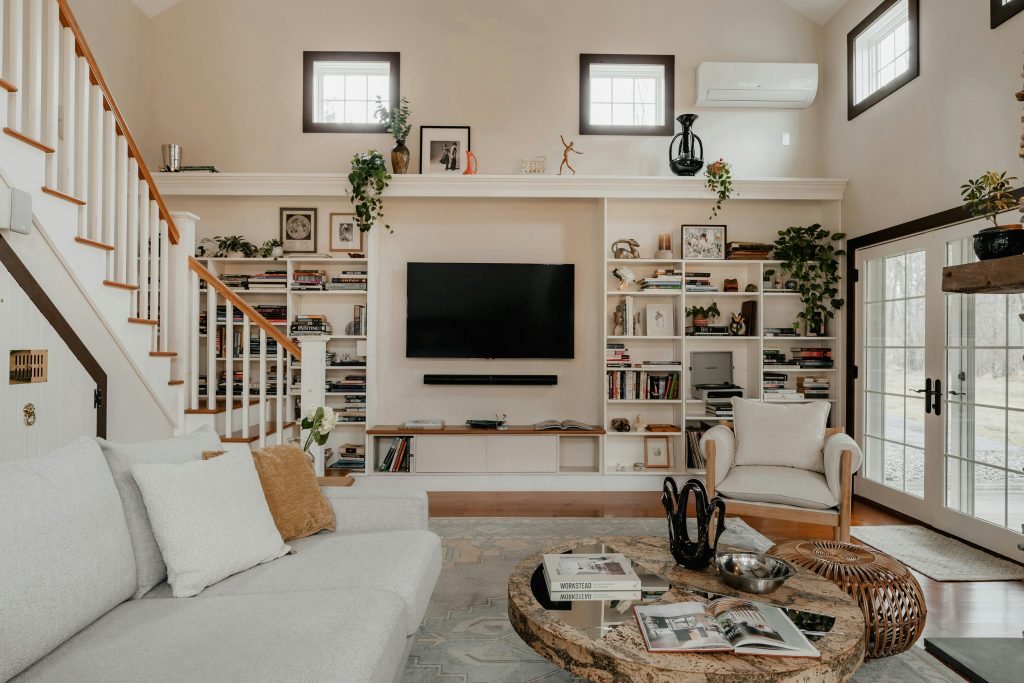
The way a home is arranged has a quiet but powerful influence on everyday life. Layout is not just about where walls sit or how rooms are labelled. It shapes how people move, interact, relax, and even think.
From how easily you can unwind after work to how often you connect with others in your household, layout plays a role in it all. Understanding how it works can help you make smarter design decisions, whether you are renovating, moving, or simply rethinking your space.
How Does Movement Flow Through Your Home?
Start by looking at how you naturally move through your home. This is often overlooked, but it is one of the most important aspects of layout.
Notice where you pause, where spaces feel cramped, and where movement feels effortless. A well-designed layout should guide you intuitively from one area to another without obstacles or awkward transitions.
If your home feels disjointed, it may be due to poor flow rather than lack of space. Opening up pathways or rethinking how rooms connect can make a significant difference without requiring major structural changes.
Prioritise Spaces Based on How You Actually Live
Many homes are still arranged around outdated ideas of how spaces “should” be used. Formal dining rooms, rarely used lounges, or isolated kitchens often take up valuable space without serving modern lifestyles.
Instead, think about how you actually use your home on a day-to-day basis. If you spend most of your time in the kitchen, it makes sense to prioritise openness and accessibility there. If you work from home, creating a dedicated, well-positioned workspace becomes essential.
Layout should reflect real habits, not traditional expectations.
Balance Open Plan Living with Practical Zones
Open plan layouts have become increasingly popular, and for good reason. They create a sense of space, allow more natural light, and make it easier for people to connect.
However, completely open spaces can sometimes lack definition. Noise travels more easily, and it can be harder to switch between different activities.
The key is balance. Create zones within open spaces using furniture placement, lighting, or subtle design features. This allows flexibility while still maintaining a sense of structure.
Adaptable elements such as doors by Slide & Fold can also help achieve this balance. They make it possible to open up a space when you want flow and connection, or close it off when you need privacy or quiet.
Maximise Natural Light and Airflow
Layout directly affects how light and air move through your home. Rooms that feel dark or stuffy are often the result of poor positioning rather than lack of windows.
Where possible, align spaces to make the most of natural light throughout the day. Consider how sunlight enters your home in the morning and afternoon, and arrange key living areas accordingly.
Airflow is equally important. Creating pathways for air to move through the home helps regulate temperature and improves overall comfort. This becomes especially valuable during warmer months, when poorly ventilated spaces can quickly become uncomfortable.
Create Flexible Spaces That Can Adapt
Modern living rarely fits into rigid layouts. A single room might need to function as a workspace during the day and a relaxation space in the evening.
Designing with flexibility in mind allows your home to adapt to changing needs without constant reconfiguration. This might involve choosing furniture that can be easily moved, or incorporating features that allow spaces to expand or contract.
Flexibility is not about making everything open all the time. It is about having the option to adjust when needed.
Think About Privacy as Well as Connection
While open layouts encourage interaction, privacy is still essential.
Consider where quiet spaces are needed. Bedrooms, work areas, and even small corners for reading or relaxing should feel separate enough to provide comfort and focus.
A well-thought-out layout creates a natural balance between shared and private spaces. Too much openness can feel overwhelming, while too much separation can make a home feel disconnected.
Use Layout to Support Daily Routines
Your layout should make everyday tasks easier, not more complicated.
Think about how you move through routines such as cooking, getting ready in the morning, or winding down in the evening. Small layout adjustments, such as reducing the distance between key areas or improving access to storage, can have a big impact over time.
When layout aligns with routine, life feels smoother and more efficient.
Final Thoughts
Home layout shapes more than just how a space looks. It influences how it feels to live in.
By focusing on flow, flexibility, light, and real-life habits, you can create a home that works with you rather than against you. Thoughtful design is not about following trends, but about creating an environment that supports the way you want to live every day.