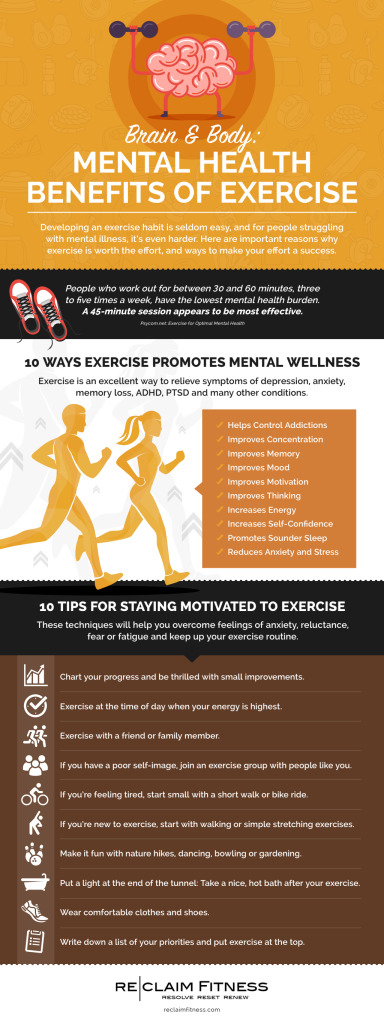

Exercise is often associated with physical fitness, but its effects extend far beyond muscles and endurance. Regular movement supports emotional health by helping manage stress, improve mood, and strengthen resilience during everyday challenges. For many women balancing careers, family responsibilities, caregiving, and personal goals, making time for physical activity can become an important part of maintaining overall well-being.
Regular exercise does not require intense workouts to produce meaningful mental health benefits. Small, sustainable habits often have the greatest long-term impact because they are easier to maintain through changing schedules and life stages.
Exercise Helps Reduce Stress
Physical activity encourages the release of endorphins, chemicals that contribute to positive feelings and help reduce the perception of stress. Exercise also lowers levels of stress hormones such as cortisol over time, allowing the body to recover more effectively after demanding situations.
Activities such as walking, cycling, swimming, yoga, or strength training can all provide opportunities to clear the mind while improving physical health. Even a short session during a busy day can create a mental reset that supports greater focus and emotional balance. Spending time outdoors while exercising may also encourage relaxation by combining movement with fresh air and natural surroundings. Building movement into a weekly routine makes it easier to manage ongoing pressures without feeling overwhelmed.
Better Mood and Greater Confidence
Exercise can improve self-confidence by helping individuals recognize progress through achievable goals. Completing a workout, increasing strength, or developing a new skill creates a sense of accomplishment that often carries into other areas of life.
Regular physical activity also supports better sleep, which plays an important role in emotional regulation and cognitive function. Improved rest may contribute to greater patience, clearer thinking, and higher energy throughout the day. Many women also appreciate the sense of community available through fitness classes, walking groups, or gyms, where shared activities encourage motivation, accountability, and meaningful social connection.
Supporting Brain Health
Exercise benefits the brain by increasing blood flow and supporting healthy brain function. Research suggests that regular physical activity is associated with improved attention, memory, and executive function. These benefits may help women remain productive while managing multiple responsibilities at home and at work.
Movement can also provide a healthy outlet for processing emotions. Instead of remaining focused on stressful thoughts, many people find that physical activity creates an opportunity to reflect, relax, and return to daily tasks with a clearer perspective. Keeping a simple exercise journal can also reinforce positive habits by making progress visible over time.
Mental health benefits develop over time through regular participation rather than occasional intense workouts. Setting realistic goals, scheduling activity into the week, and selecting exercises that fit individual preferences all encourage long-term consistency.
Exercise is one valuable part of a broader approach to wellness that also includes balanced nutrition, quality sleep, supportive relationships, and appropriate medical care when needed. Making movement a regular habit helps strengthen emotional well-being while supporting a healthier, more balanced lifestyle for years to come. For more information, look over the accompanying resource below.