(photo credit: Microsoft Stock Images)
Sun exposure affects people differently depending on the activity, location, time of day, and amount of skin exposed. Many outdoor activities involve several hours under direct sunlight without people fully realizing how much UV exposure they receive. Over time, repeated sun damage may contribute to premature aging, sunburn, dehydration, and increased skin cancer risk. Women who spend time outdoors often benefit from adjusting sun protection habits based on the activity itself.
Walking and Running Create Long Exposure Periods
Walking and running may seem lower risk compared to beach activities, though these routines often involve steady sun exposure over long periods. Morning and afternoon exercise sessions may still expose the face, shoulders, neck, and arms to significant UV rays. Pavement and concrete surfaces may also reflect sunlight upward, increasing exposure.
Lightweight hats, sunglasses, sunscreen, and breathable long-sleeve clothing may help reduce skin stress during outdoor exercise. Hydration also becomes important because heat and direct sunlight may increase fatigue during physical activity.
Water Activities Increase UV Reflection
Swimming, boating, paddleboarding, and beach trips often create some of the highest sun exposure levels. Water reflects sunlight, which may increase UV exposure to the face, chest, and legs. Many people also spend longer periods outdoors during water activities without seeking shade regularly.
Water-resistant sunscreen should be reapplied after swimming or heavy sweating. Wide-brim hats, coverups, and shaded rest breaks may also help reduce prolonged exposure. Cloud cover does not fully block UV rays, which is why sunburn may still happen on overcast days near water.
Hiking and Outdoor Sports Present Unique Risks
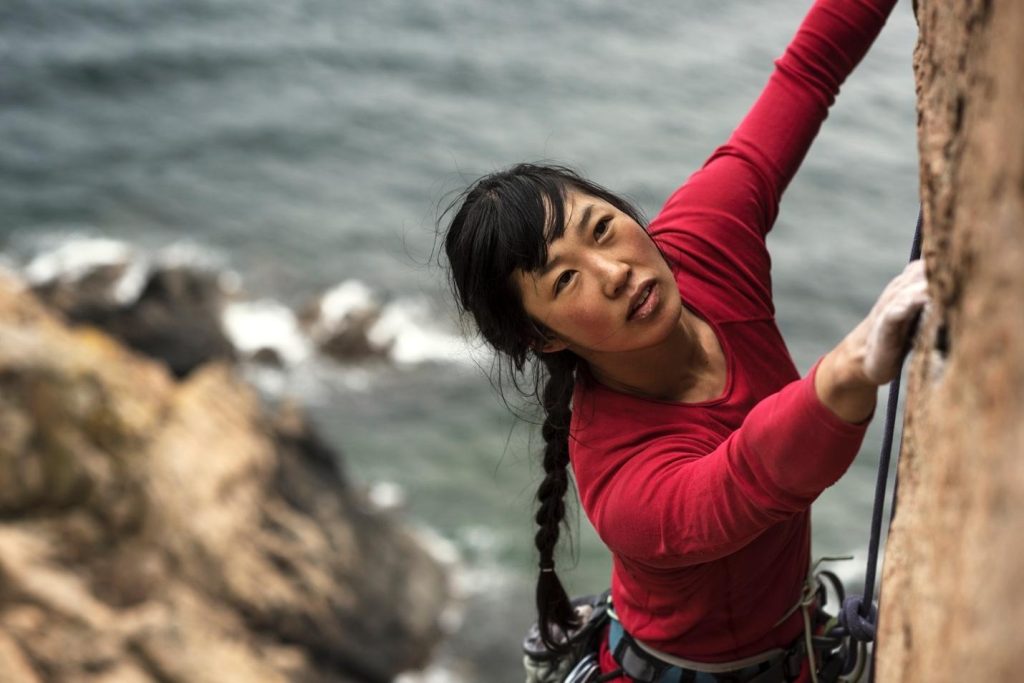
Hiking, cycling, golf, tennis, and field sports may involve direct sunlight for several hours at a time. Higher elevations often increase UV intensity because there is less atmospheric protection. Open trails and sports fields may also offer little shade during peak sunlight hours.
Protective clothing, sunglasses, and sunscreen remain important throughout these activities. Some outdoor enthusiasts also wear specialty gear, such as scent control hunting clothes during long outdoor trips that involve changing weather conditions and extended sun exposure. Frequent sunscreen reapplication becomes especially important during activities involving sweat or physical exertion.
Gardening and Yard Work Often Go Overlooked
Many people underestimate sun exposure during routine outdoor chores. Gardening, landscaping, mowing, and home maintenance projects may involve several hours outside without consistent protection. Because these activities happen close to home, people sometimes skip sunscreen or protective clothing entirely.
Hands, forearms, ears, and the back of the neck often receive repeated UV exposure during yard work. Taking short shade breaks and wearing lightweight protective layers may help reduce cumulative sun damage over time.
Travel and Sightseeing Increase Daily Exposure
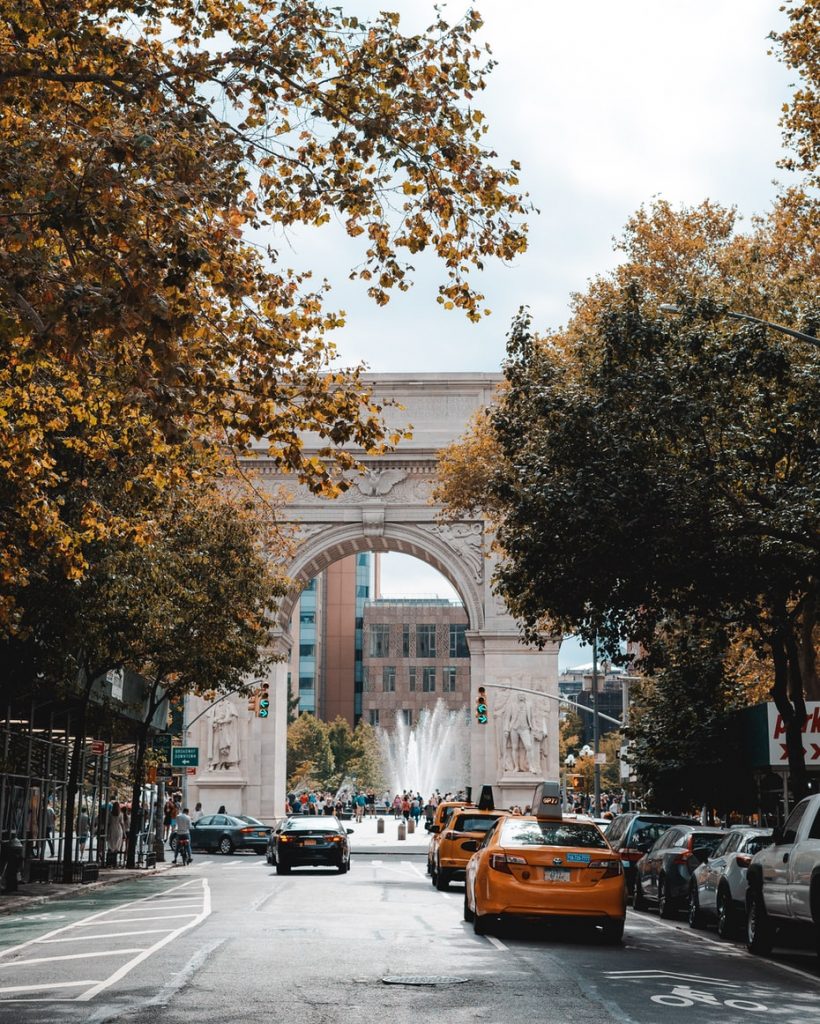
Vacations and outdoor tourism often involve more walking and sun exposure than people experience during normal routines. Theme parks, sightseeing tours, outdoor markets, and festivals may keep travelers outside for much of the day. Heat exhaustion and dehydration may develop more quickly when people combine physical activity with prolonged sun exposure.
Portable sunscreen, refillable water bottles, sunglasses, and light clothing may help travelers stay more comfortable during long outdoor days. Checking UV index forecasts may also help travelers plan safer activity times.
Different outdoor activities create different levels of sun exposure, though nearly all outdoor routines involve some degree of UV risk. Walking, sports, water activities, gardening, and travel may all increase cumulative sun damage over time without proper protection. Consistent sunscreen use, hydration, protective clothing, and regular shade breaks may help reduce long-term skin damage while supporting safer and healthier outdoor experiences. To learn more about protecting yourself from sun exposure during outdoor activities, look over the accompanying resource below for more information.