Collecting often begins with sentiment. A first edition novel from childhood, a vintage handbag discovered at a market, or a signed photograph tucked away in a drawer can feel special long before it carries financial value. Over time, some items move from personal keepsakes to sought-after assets. Recognizing what drives that shift helps collectors make informed choices and protect what they own.
Rarity and Limited Supply
Scarcity is one of the strongest drivers of value. Items produced in limited quantities or tied to short production runs tend to attract higher demand. Limited editions, discontinued lines, and pieces connected to specific historical events often hold appeal because they cannot be easily replaced.
Production errors can also increase rarity. A misprinted book or a limited color variation of a fashion accessory may draw attention precisely because so few exist. Collectors seek items that stand apart from mass-produced goods.
However, rarity alone does not guarantee value. There must also be interest from buyers who care about the item’s history or cultural relevance.
Condition and Preservation
Condition plays a decisive role in valuation. An item kept in excellent shape typically commands a higher price than one showing heavy wear. For fashion pieces, that may mean intact stitching, minimal fading, and original hardware. For books, sharp corners and clean pages matter. For memorabilia, the absence of creases, stains, or tears makes a difference.
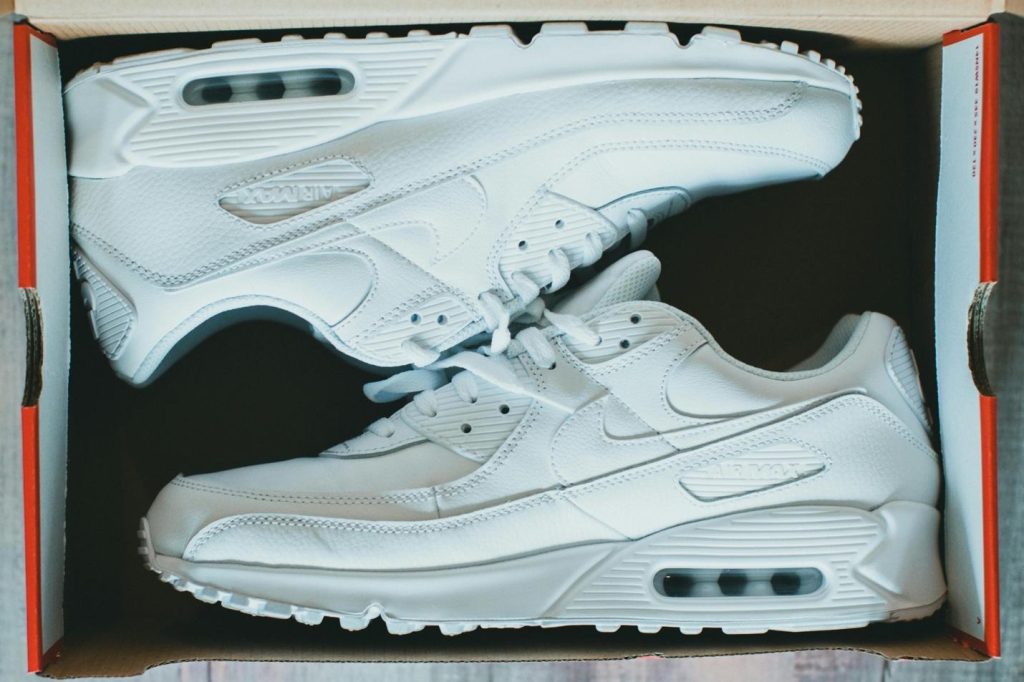
Original packaging and documentation can increase desirability. Certificates of authenticity, dust jackets, or original boxes provide reassurance that the piece has been properly maintained. Safe storage away from heat, moisture, and sunlight helps preserve long-term value.
Even subtle damage can lower appraisal estimates, which is why careful handling remains important for collectors of all experience levels.
Provenance and Authenticity
Provenance refers to the documented history of ownership. A handbag once carried by a well-known public figure or a painting displayed in a respected gallery may gain value because of its background. Buyers want confirmation that an item is genuine and traceable.
Authentication services and reputable dealers play a role here. Purchasing signed memorabilia from a verified autograph store reduces the risk of counterfeit items. Clear documentation builds trust and supports resale potential.
Without proof of authenticity, even a rare item can struggle to hold value. Buyers often prioritize traceable history over appearance alone.
Cultural Relevance and Demand
Market demand shifts over time. Cultural moments, anniversaries, and renewed interest in certain decades can influence what collectors seek. Vintage fashion from the 1990s, mid-century home décor, and early technology devices have all experienced periods of renewed popularity.
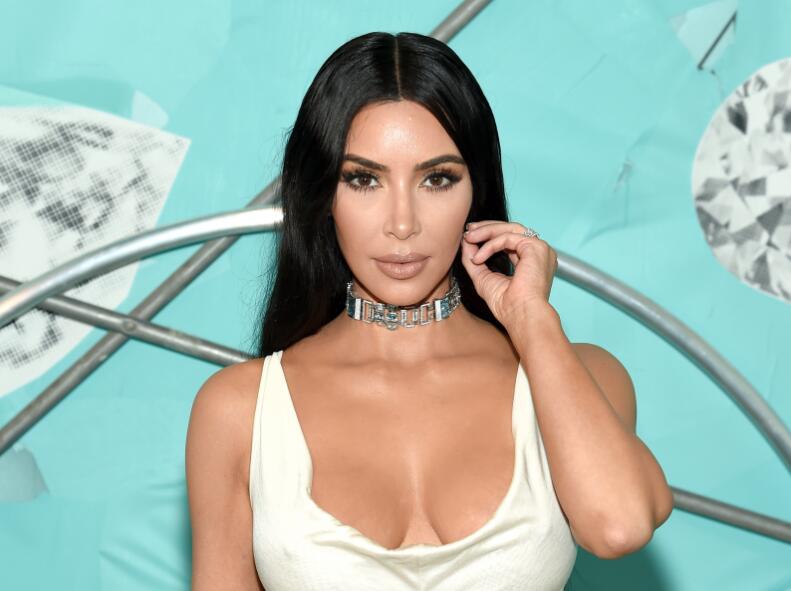
Social media and celebrity endorsements can also drive demand. When influential figures showcase certain styles or brands, interest may rise quickly. Collectors who pay attention to broader trends often anticipate shifts in value.
Demand ultimately determines liquidity. An item may be rare and well preserved, but if few people want it, resale opportunities remain limited.
Emotional Connection and Story
Emotional value should not be dismissed. Many women collect items that reflect personal milestones, family heritage, or artistic inspiration. While sentimental worth may not always translate into high resale prices, it strengthens the long-term appeal of a collection.
Stories attached to collectibles often enhance market interest as well. A first printing connected to a major literary award or jewelry tied to a cultural movement carries context that resonates with buyers.
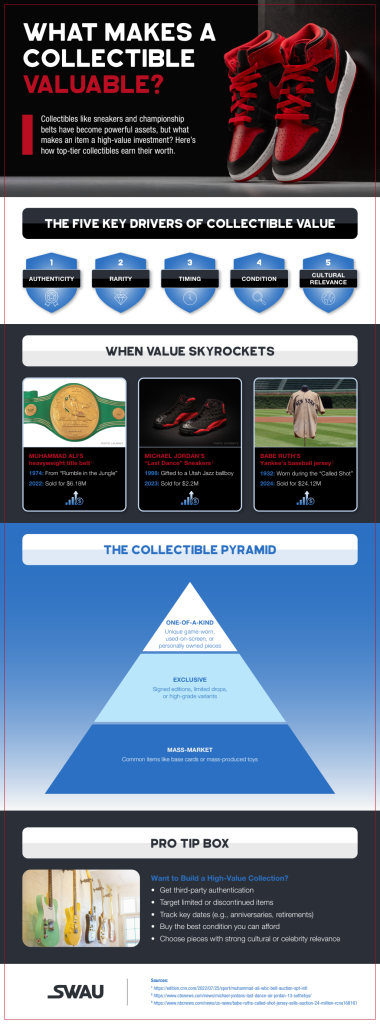
Value grows where scarcity, condition, authenticity, and demand intersect. Thoughtful collectors balance passion with practical evaluation, preserving items carefully and documenting their origins. Over time, the most meaningful pieces often become the most enduring, blending personal history with broader cultural significance. To learn more, feel free to look over the infographic below.