Chemotherapy brings physical and emotional challenges, and nutrition often becomes an important part of feeling as strong as possible throughout treatment. Eating well does not cure side effects, but thoughtful choices can help maintain energy, support immune function, and make daily life a bit more manageable. A balanced approach helps women nourish their bodies while respecting shifting appetites and sensitivities.
Choosing Foods That Are Gentle on the Body
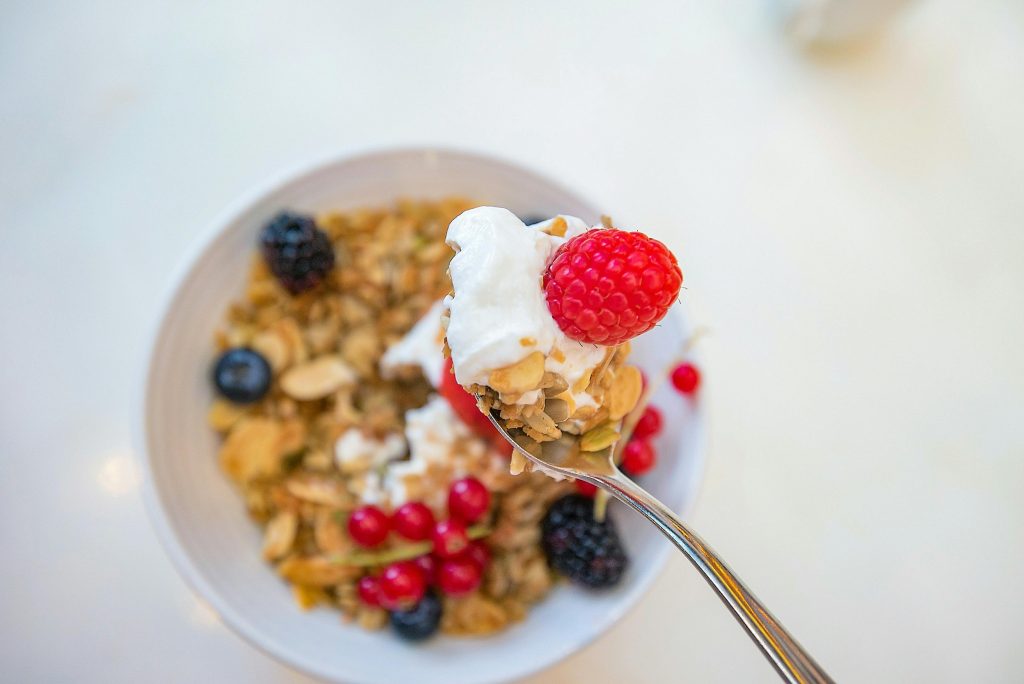
Chemotherapy can affect digestion, taste, and appetite, so gentle foods are often easier to tolerate. Soft textures such as oatmeal, yogurt, scrambled eggs, ripe bananas, and soups provide nourishment without overwhelming the stomach. Mild flavors can reduce nausea, while cold foods may be easier to handle on days when smells feel too strong.
Meals that combine lean protein, simple vegetables, and whole grains help support strength and recovery. Protein is especially important because it assists in repairing tissues and maintaining muscle mass. For women who struggle with full meals, small snacks throughout the day provide steady fuel without feeling burdensome.
Staying Hydrated Through Treatment
Hydration is essential, yet many women find it difficult during treatment. Water, herbal teas, broths, and diluted juices help prevent dehydration and may also ease headaches or fatigue. For those experiencing mouth tenderness, chilled drinks or ice chips can be soothing.
Sometimes drinking feels easier when tracking small portions rather than aiming for a large goal all at once. Sipping regularly, using flavored water enhancers if tolerated, or eating hydrating foods such as melon or cucumber helps maintain fluid balance.
Managing Taste Changes with Creative Adjustments
A common chemotherapy side effect is a metallic or altered taste. This shift can make familiar foods unappealing. Citrus, ginger, mint, and mild seasonings may help brighten dishes without overwhelming the palate. Plastic utensils can sometimes reduce metallic sensations.
Experimenting with different temperatures or textures can also make meals more enjoyable. For example, if cooked vegetables seem bitter, raw versions or pureed soups may be better options. Taste fluctuations often change throughout treatment, so flexibility helps women find combinations that feel right from week to week.
Supporting the Immune System with Balanced Nutrition
While no single food can prevent illness, a varied diet supports the body’s natural defenses. Colorful fruits and vegetables offer vitamins and antioxidants that contribute to immune health. Foods such as berries, leafy greens, sweet potatoes, and beans provide valuable nutrients while remaining gentle on digestion.
Healthy fats, including olive oil, avocado, and nut butters, supply concentrated energy for days when appetite is limited. These foods also contribute to nutrient absorption and overall calorie stability.
When Eating Becomes Challenging
Some women experience appetite loss or nausea that makes regular meals difficult. In these situations, it helps to keep easy to digest snacks close by. Smoothies, protein shakes, pudding, applesauce, and crackers offer small bursts of nourishment without effort.
If symptoms interfere with daily eating, dietitians specializing in oncology can offer personalized guidance. They consider treatment type, side effects, and individual preferences to create an eating plan that feels supportive rather than stressful. Many families access community services for additional assistance, and some even explore charitable options such as RV donation programs to support cancer-related causes they care about.
Building a Supportive Routine
Chemotherapy places significant demands on the body, so nutrition should feel manageable rather than perfect. Eating small, frequent meals, preparing simple dishes, and seeking support from loved ones can make a difference. Every woman’s experience is unique.
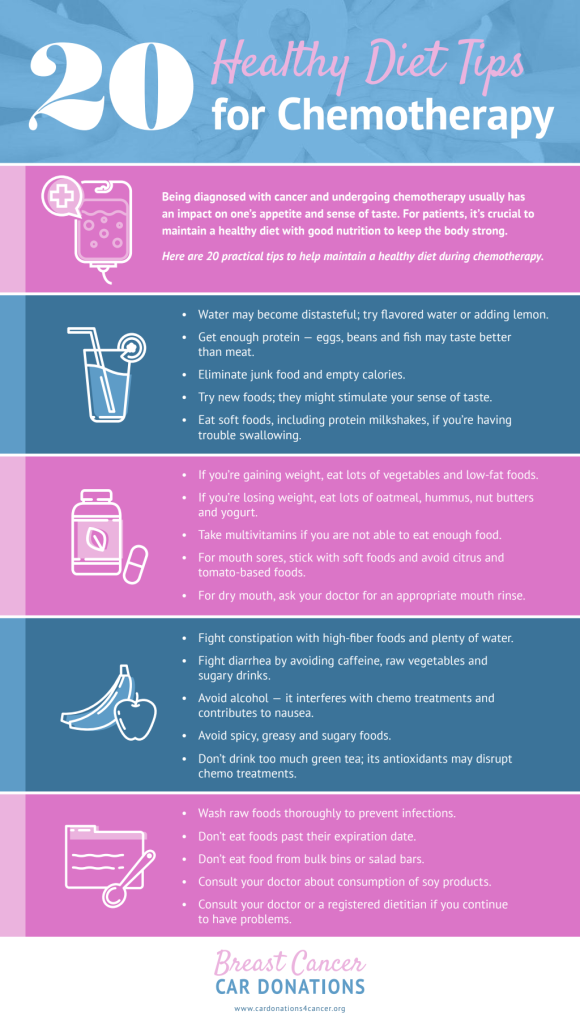
Healthy eating during chemotherapy is not about strict rules. It is about offering the body steady support, choosing foods that feel gentle, and approaching nutrition with flexibility and compassion. Look over the infographic below to learn more.