
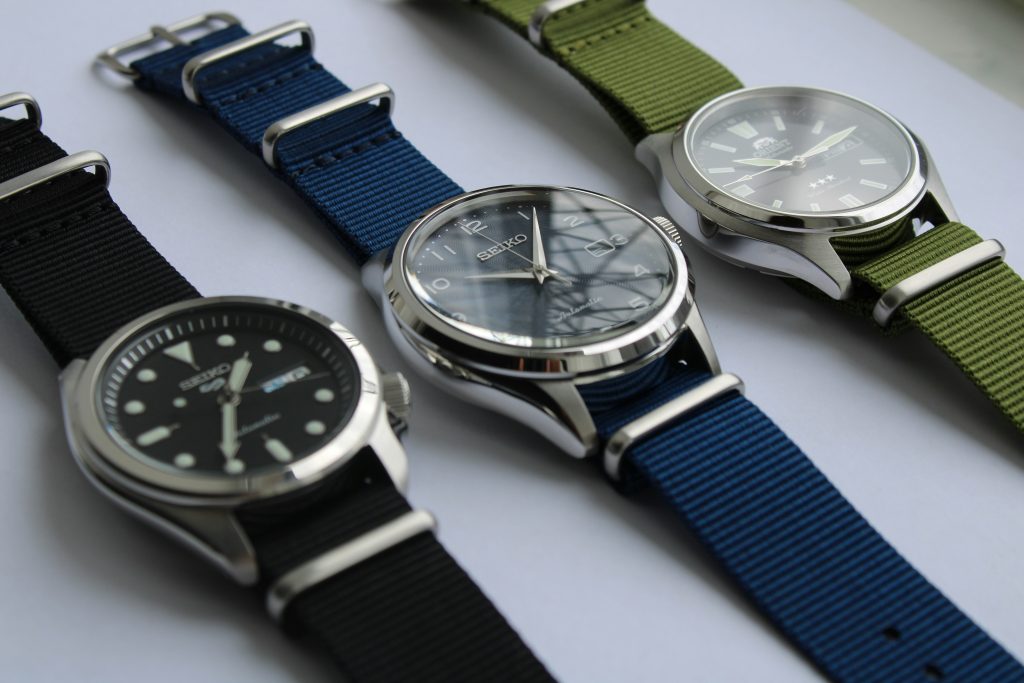
Few luxury timepieces carry the widespread admiration, rugged history, and sheer versatile style of the classic dive watch. Born in the mid-twentieth century as essential tactical gear for commercial divers and military frogmen, these tool watches quickly evolved from practical underwater equipment into quintessential lifestyle staples. Today, whether paired with a wet suit or a tailored business suit, dive timepieces hold a place of honor in almost every serious horological collection.
As collectors venture deeper into this segment, they inevitably face an intriguing choice: pursuing a vintage-inspired classic or embracing a state-of-the-art modern reference. Both categories offer distinct aesthetic qualities, historical significance, and mechanical personality. Understanding the functional and visual differences between these generations allows you to curate a collection that reflects your personal taste and lifestyle.
Materials, Bezels, and Structural Durability
The evolution of materials represents the most dramatic divide between historical dive models and contemporary releases. Early classic divers relied on aluminum bezel inserts, acrylic crystals, and mid-sized stainless steel cases. Over decades of exposure to sunlight, saltwater, and daily wear, aluminum bezels naturally fade into soft, unique tones known affectionately by enthusiasts as tropical or ghost bezels. These graceful aging characteristics grant each vintage piece an individual story that cannot be manufactured.
Modern dive models, by comparison, prioritize absolute durability and high-tech performance. Contemporary manufacturers build cases from ultra-dense steel alloys, titanium, and forged carbon, topping them with virtually scratchproof sapphire crystals. Aluminum bezels have largely given way to high-tech ceramic inserts infused with platinum or gold fill. These modern materials guarantee that your timepiece retains its factory-fresh shine and vibrant color scheme through decades of heavy wear and intense sunlight.
Dial Aesthetic and the Magic of Luminous Coatings
Dial design is another area where vintage character meets contemporary innovation. Older dive references featured painted hour markers using radium or tritium luminous paints. As tritium ages, it develops a warm, creamy orange or caramel patina that collectors actively seek out. Paired with matte black dials and slightly domed crystals, classic divers emanate a warm, romantic charm that feels deeply connected to maritime history.
In contrast, modern divers favor incredible legibility, high contrast, and flawless finishing. Hour markers on modern models are typically crafted from precious metals to prevent tarnish, filled with advanced photoluminescent compounds like Super-LumiNova or Chromalight. These modern luminous materials glow brightly for hours without degrading over time, retaining their crisp white appearance by day and emitting brilliant blues or greens in low light.
Mechanical Evolution and Precision Engineering
Underneath the case back, mechanical watchmaking has made astonishing leaps forward. Historical dive watches operated on reliable workhorse movements that kept solid time but required frequent service and lacked modern resistance to magnetic fields. These early calibers relied on lower beat rates and offered modest power reserves, often requiring manual winding after sitting idle for a weekend.
Today, modern mechanical calibers are masterpieces of engineering. Modern movements incorporate silicone hairsprings, anti-magnetic alloys, and high-efficiency escapements capable of resisting powerful magnetic fields from everyday electronics. Power reserves have also expanded dramatically, with many modern calibers running smoothly for seventy hours or more. If you are searching for an iconic cornerstone piece that embodies both historic prestige and modern engineering prowess, exploring aRolex Submariner Watch provides the ultimate benchmark for what an ocean-going timepiece should be.
Bracelet Design, Comfort, and On-the-Fly Adjustments
A watch is only as enjoyable as it feels on the wrist, and strap architecture has undergone a massive transformation over the decades. Vintage dive bracelets utilized stamped sheet-metal clasps, hollow end links, and folded steel components. While light and charmingly retro, older bracelets often rattled slightly and lacked the robust solidity modern buyers expect from a luxury purchase.
Contemporary dive bracelets are marvels of ergonomic design, constructed with solid end links, milled metal clasps, and silky articulation. More importantly, modern luxury houses have perfected micro-adjustment clasp mechanisms. These built-in extension systems allow you to expand or contract the bracelet length by several millimeters without using a single tool, accommodating wrist swelling during warm weather or fitting seamlessly over a wetsuit sleeve.
Finding Your Perfect Horological Fit
Choosing between a classic vintage reference and a modern diver ultimate comes down to what you value most on your wrist. Collectors drawn to warmth, historical narrative, and subtle imperfections often gravitate toward classic references. On the flip side, enthusiasts who demand unmatched durability, superior water resistance, bright night legibility, and daily reliability will naturally lean toward modern production models.
Evaluating these timepieces in person is always the best way to determine which style resonates with your personal aesthetic. To inspect exquisite timepieces up close and speak with seasoned specialists who understand the subtle nuances of fine watchmaking, feel free to find us on Google Maps to plan your visit. Adding a high-caliber diver to your collection is more than a simple acquisition; it is an investment in timeless design and enduring craftsmanship that you will enjoy for generations.